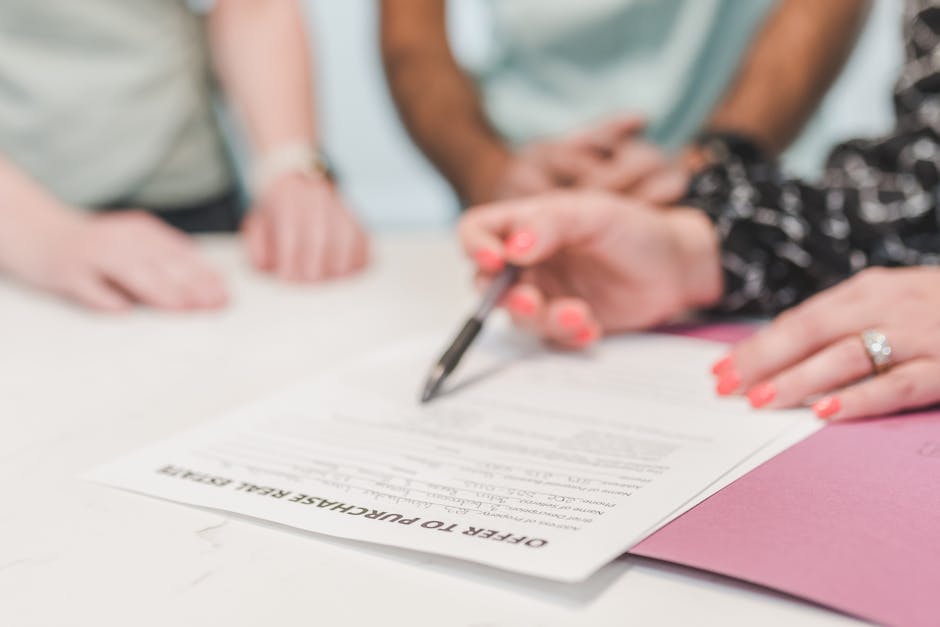
Earnest money is one of the most misunderstood parts of buying a home, and the questions usually come up at the worst possible time: when a deal is starting to wobble. So let’s answer the basic question plainly. What is earnest money, where does it go, and what happens to it if the sale falls through?
What earnest money actually is
Earnest money is a deposit the buyer puts down to show the seller they’re serious about the purchase. Think of it as good-faith money. It tells the seller, “I’m committed enough to put real dollars on the line.” It’s usually a small percentage of the purchase price, though the exact amount varies from deal to deal.
Where the money goes (hint: not to the seller)
This is the part people get wrong most often. Earnest money does not go straight to the seller’s pocket. It’s held in a trust account by a neutral third party, often the title company or closing agent. It sits there safely while the transaction works its way toward closing. Then, at closing, the earnest money gets applied toward what the buyer owes, so it isn’t an extra cost. It’s part of the money the buyer was going to bring anyway.
What happens if the deal falls apart
This is where the purchase agreement matters. Most contracts include contingencies, which are conditions that have to be met for the sale to go through. Common ones are a financing contingency and an inspection contingency.
If a buyer backs out for a reason the contract specifically protects, like financing falling through or a serious problem turning up in the inspection, they generally get their earnest money back. If a buyer walks away for a reason that isn’t covered by a contingency, the seller may have a claim to that money instead. The exact outcome depends on what the contract says, which is why reading it carefully up front saves a lot of grief later.
The bottom line
The smoothest closings are the ones where everybody understood the earnest money piece before signing, not during a dispute. If a client has a question about how earnest money works on a Minnesota purchase, send them our way and we’ll walk them through it.
(This is intended as general, educational information, not legal advice.)