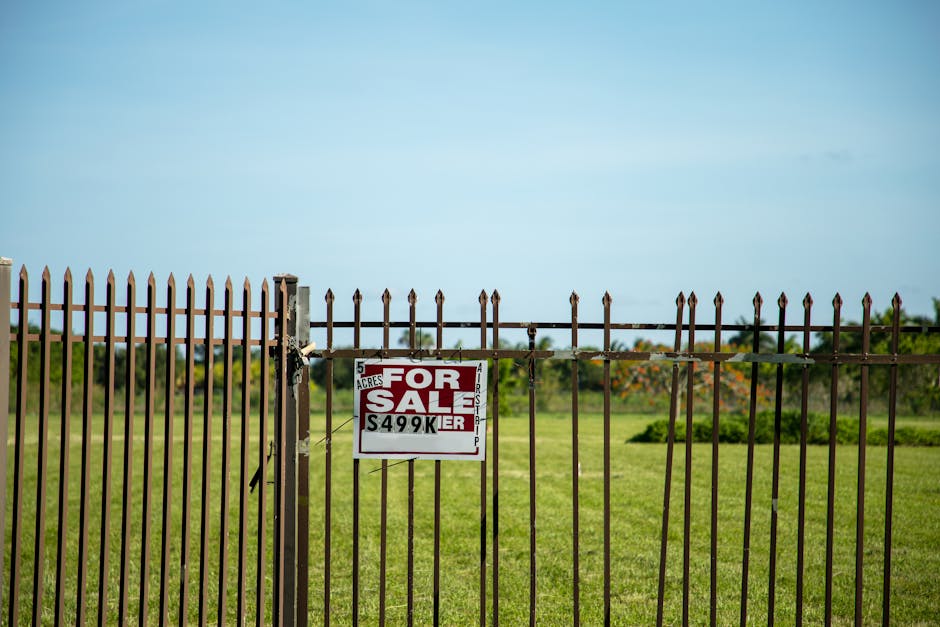
There’s a kind of real estate fraud that has been picking up speed, and it’s one most people never see coming. It’s called seller impersonation fraud, and vacant land is its favorite target. A scammer pretends to own a piece of property they have no connection to, puts it up for sale, and tries to walk away with the money at closing. By the time anyone realizes what happened, they disappear.
Why vacant land is the favorite target
Empty lots are quiet. There’s nobody living there to notice a strange “for sale” sign go up. There’s usually no mortgage, so no lender is watching the title for unexpected activity. And the real owner is often out of state, maybe someone who inherited the land years ago and forgets they own it. That combination of high equity and low attention is exactly what a fraudster looks for.
According to a 2025 industry survey by the National Association of Realtors, a large share of deed and title fraud cases involve vacant land. This isn’t a rare, one-in-a-million problem anymore.
How the scam usually plays out
The impersonator pulls a real owner’s name from public property records, then poses as that person. They use forged identification and sometimes a fake notary stamp. They insist on communicating only by email or text and refuse to meet in person, often claiming to be traveling or living abroad. And they push hard for a fast cash sale, frequently pricing the land below market to attract a quick buyer.
The red flags real estate agents should watch for
If you’re listing a property and several of these show up together, slow down: the seller is out of state and won’t meet face to face, the property is vacant land or an absentee-owned lot, the price is oddly low, the seller pushes for an unusually quick close, and everything happens over text or email. None of these alone proves fraud, but together they’re a signal worth taking seriously.
How a title company helps stop it
This is a big part of what we do. We verify that the person selling the property is actually who they claim to be, using technology and independent records. We thoroughly examine the ownership history. And when something doesn’t line up, we stop and ask questions before any money changes hands.
If you’ve got a listing in Minnesota where the seller is out of state and you’ve never met them in person, it’s worth a closer look. Reach out and we’re glad to help you confirm a deal is real before it ever reaches closing.
(This is intended as general, educational information, not legal advice. If you suspect you are, or have been, involved in a fraudulent transaction, slow down, ask questions, and speak to an attorney.)